

How to Steal a Masterpiece

On October 19, 2025, the world woke up to the kind of headline that makes curators sweat and movie producers take notes: a jewel heist at the Louvre.
Sometime before dawn, thieves cut power to a section of the Richelieu Wing and disappeared with a cache of 18th-century diamonds once belonging to Marie Antoinette. The operation was quick, clean, and cinematic, proof that Paris still knows how to stage a spectacle.
Within hours, #LouvreHeist was trending worldwide. But beneath the social-media frenzy, something deeper shimmered: fascination. The idea that even in an age of lasers and AI cameras, someone could outwit the world’s most famous museum is fascinating.
Art heists blur the line between beauty and audacity. They tap into our collective curiosity about desire and asks “what drives someone to risk everything for something priceless?”
If you’ve ever lingered a little too long in front of a masterpiece and wondered, How did they get away with it?, this is your kind of travel story.
Why You’re Fascinated
Art thefts are the perfect mix of intellect, rebellion, and elegance. No one steals a masterpiece for convenience. They do it for the thrill of possession, the fantasy of owning what the world calls untouchable.
Museums are temples to beauty, but thieves remind us that beauty has always tempted mortals. Maybe that’s why you can’t resist the idea of following their trail—through Parisian corridors, Boston brownstones, or Florentine palaces—to see what’s left behind.
So pack light. Curiosity is the only contraband you’ll need.
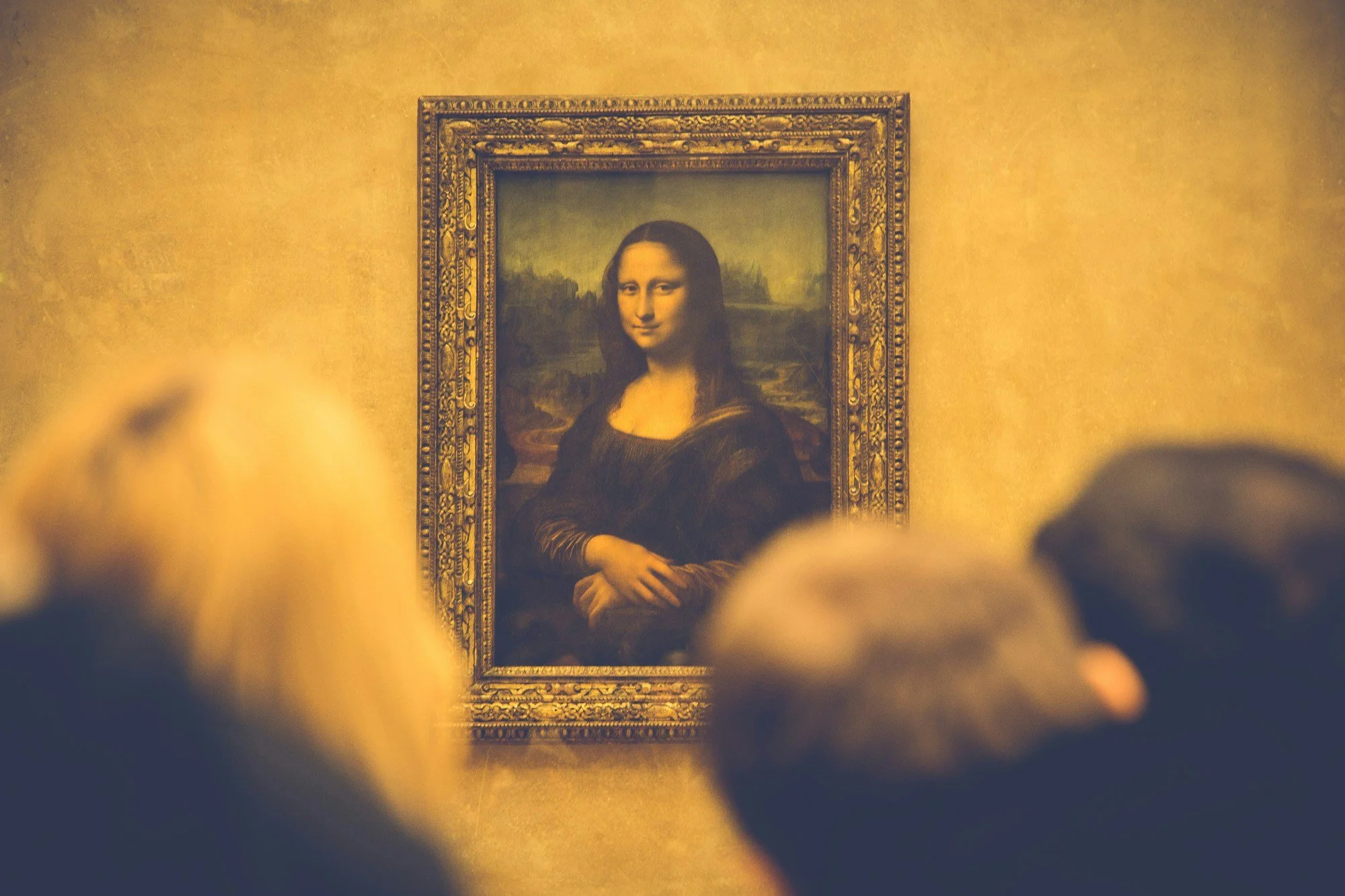
Paris – The Day the Mona Lisa Took a Walk
More than a century before the 2025 jewel theft, the Louvre suffered a different kind of embarrassment. In 1911, an Italian handyman named Vincenzo Peruggia—who once installed glass cases for the museum—lifted the Mona Lisa off the wall, tucked her under his arm, and simply walked out. He kept her in a trunk for two years, convinced he was returning her to Italy.
That theft made her a star.
When you stand in front of her today, she stares out from behind bulletproof glass while hundreds of phones rise like votive candles. To appreciate her fame, head to the quieter wings of the Louvre—the Richelieu’s sculpture galleries, the hushed halls where you can still hear the echo of footsteps from a century ago.
VIP Experience: Book an after-hours or behind-the-scenes Louvre tour. These private sessions reveal conservation studios, secret stairways, and Napoleon III’s apartments—rooms where chandeliers glitter and time folds in on itself.
Afterward, cross the river to Café de Flore for espresso and people-watching, or retreat to Le Meurice, where Dali once lived like a man allergic to moderation. Paris rewards audacity; just make sure yours stays within the law.
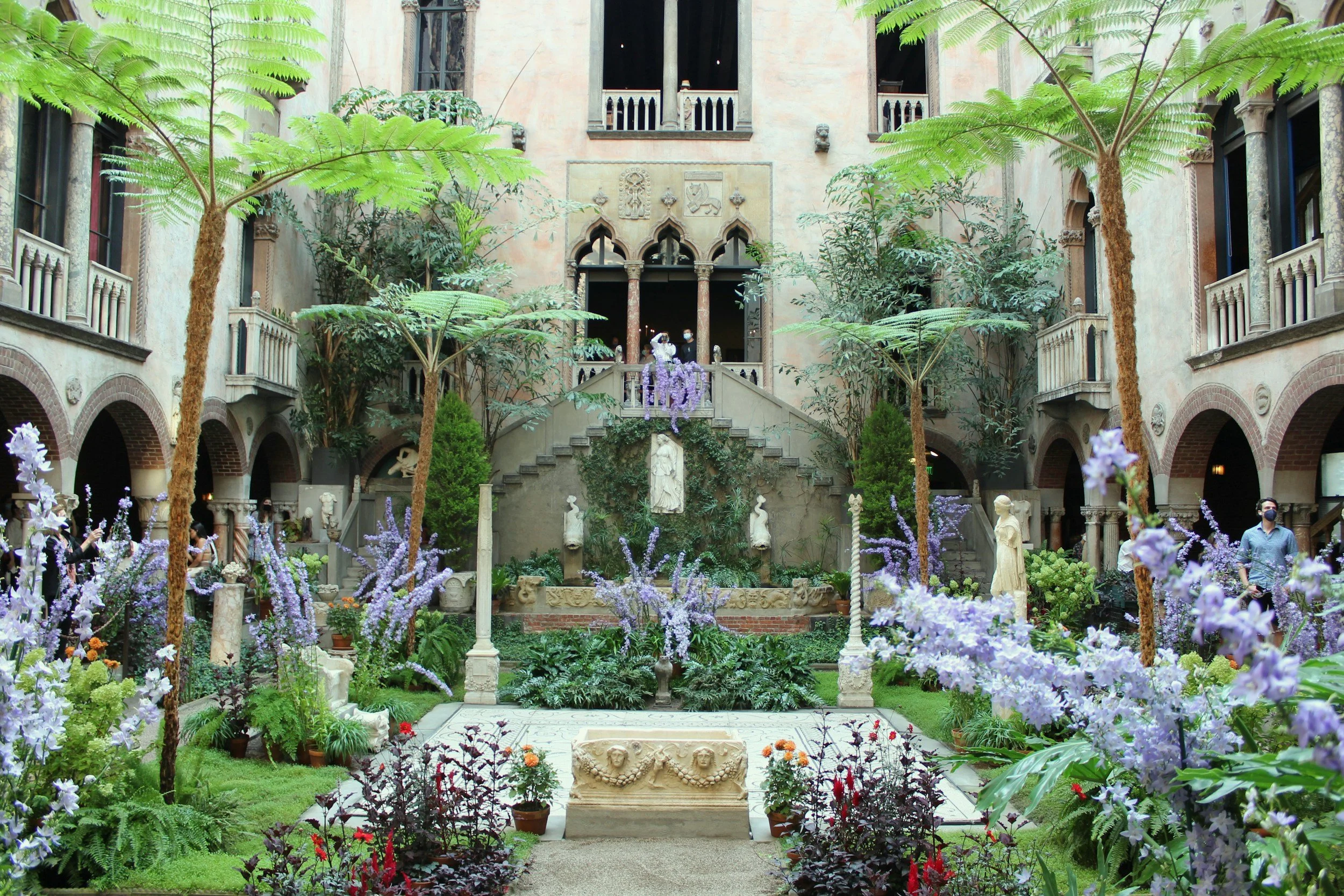
Boston – The Empty Frames That Whisper
If Paris gave you the art-world’s most famous face, Boston delivers its most haunting silence.
In the early hours of March 18, 1990, two men dressed as police officers arrived at the Isabella Stewart Gardner Museum, claiming to investigate a disturbance. They tied up the guards, spent 81 unhurried minutes inside, and left with 13 works of art—including a Vermeer, three Rembrandts, and five Degas drawings. None have ever been recovered.
The museum has kept the empty frames hanging, honoring Isabella’s will that nothing in her collection ever change. Walk through the Venetian courtyard dripping with ivy, then climb the narrow stairs. The air feels heavy with absence, like a conversation cut short.
Insider Tip: Visit in March for “Heist Night,” when the museum leans into its legend with live music, cocktails, and a wink at its own mystery.
Or schedule a private curator-led tour—a chance to hear whispered theories and see the building’s hidden details.
Finish the evening at The Newbury, where the martinis sparkle and Boston’s old-money confidence feels well earned. You’ll never look at an empty frame the same way again.
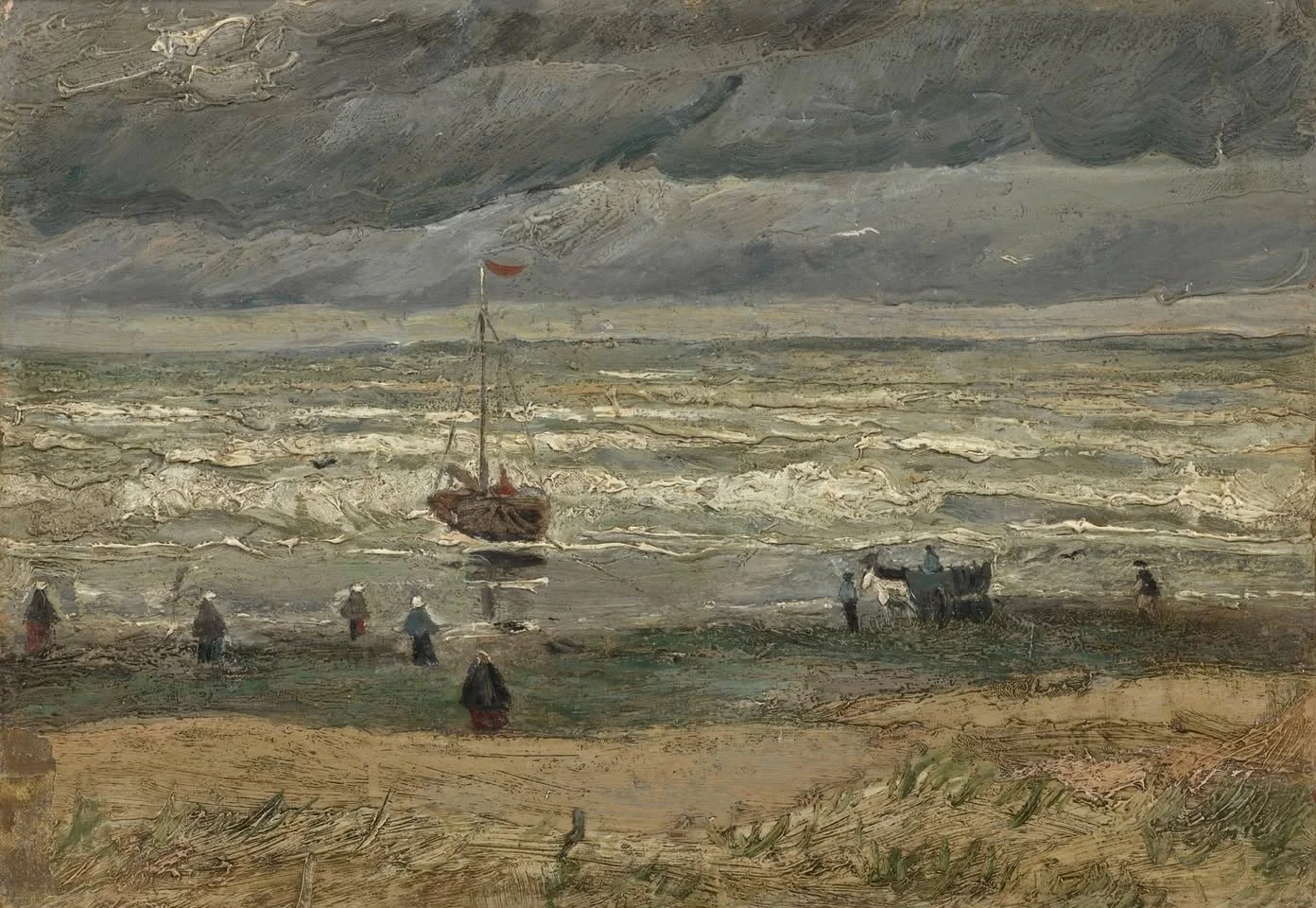
Amsterdam – The Van Gogh Vanishing Act
No artist captured suffering like Vincent van Gogh, so perhaps it’s fitting that even his paintings couldn’t rest peacefully.
In 2002, thieves scaled the back wall of the Van Gogh Museum, smashed a window with a sledgehammer, and escaped with View of the Sea at Scheveningen and Congregation Leaving the Reformed Church in Nuenen. They were caught, but the paintings vanished for fourteen years, eventually resurfacing during a mafia raid near Naples.
Stand inside the museum’s airy glass atrium and feel the hum of obsession that connects creator and criminal alike. The Sunflowers glow, the Bedroom hums with loneliness, and you can sense why someone might risk everything for a few square feet of oil and genius.
VIP Experience: Opt for early-entry museum access before it opens to the public, followed by a private canal cruise through the Museum Quarter. Then—because every heist deserves a twist—fly south to Naples to see where the stolen works were found.
In Naples, espresso shots are thrown back like confessions. Wander the Spanish Quarter, visit underground catacombs, and imagine the absurd poetry of hiding masterpieces in a modest villa beneath Mount Vesuvius.
Cap the night with a rooftop dinner where the air smells of basil and bravado.
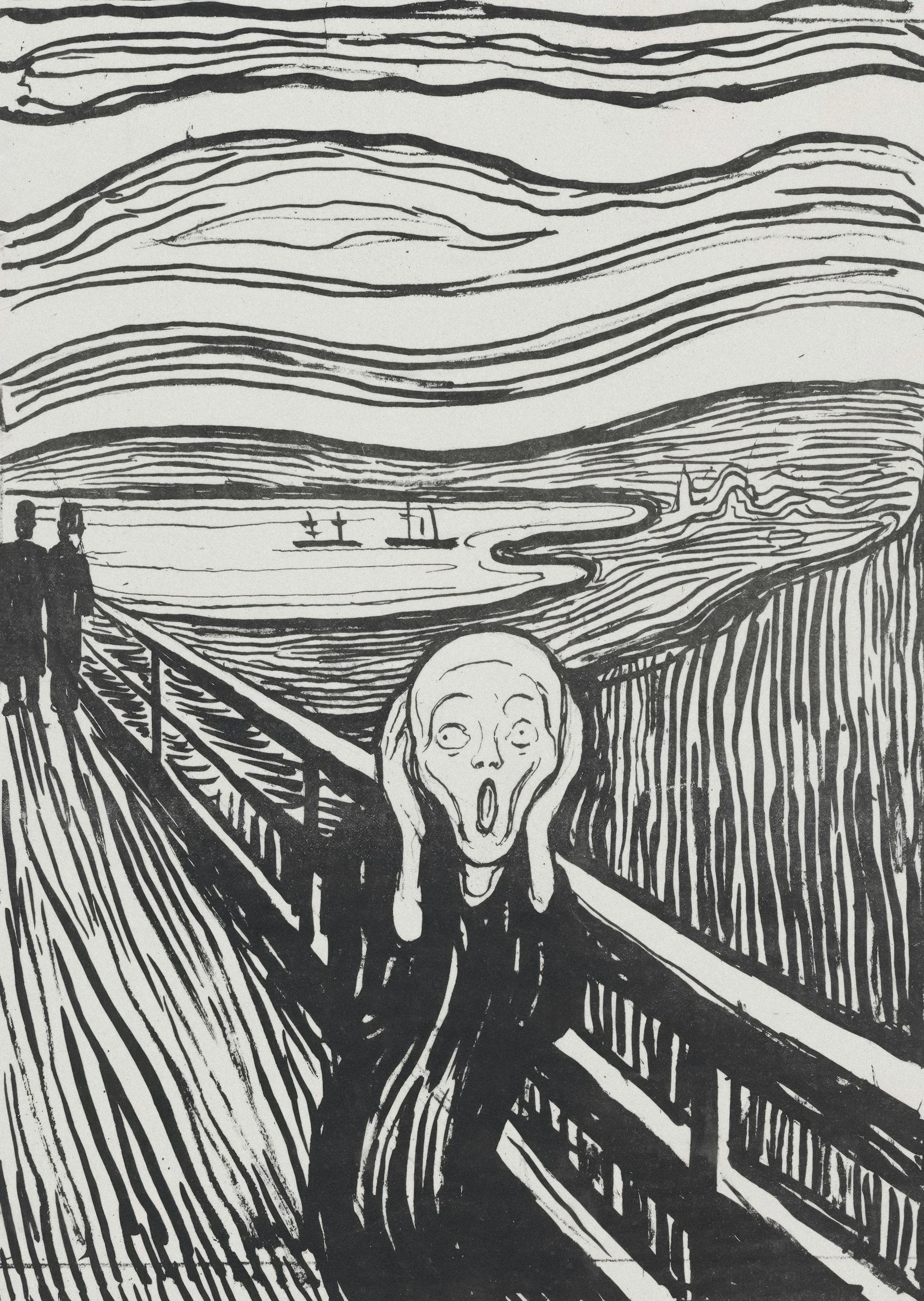
Oslo – The Scream(s) Heard Around the World
Edvard Munch’s The Scream has been stolen not once but twice. In 1994, during the Lillehammer Olympics, thieves waltzed into Oslo’s National Gallery, leaving a note: “Thanks for the poor security.” A decade later, another version was taken from the Munch Museum in a daylight robbery. Both were eventually recovered, slightly scratched but none the worse for wear—proof that even existential dread can bounce back.
The new MUNCH Museum, a sculptural tower rising over the Oslo fjord, displays The Scream in its own dim chamber like a survivor telling its story.
VIP Experience: Book a behind-the-scenes tour with a museum conservator, where you can see the forensic side of art—the fibers, the pigments, the tiny scars left by theft and recovery. Then head to the rooftop bar for aquavit and Arctic light.
For something grander, continue the Nordic drama with a luxury coastal voyage up to Tromsø or Svalbard, tracing glaciers and fjords that look like unfinished brushstrokes. Under the midnight sun, you may find yourself screaming too—though in awe, not terror.
Florence – The Art of Almost Losing It
Florence has flirted with catastrophe more than once. War, floods, and greed have all threatened its treasures, but somehow the city always rescues beauty from ruin.
The 1966 Arno River flood nearly destroyed thousands of artworks; volunteers known as “Mud Angels” waded through filth to save masterpieces. Their legacy lives in the careful restoration techniques you’ll still see practiced today.
Begin your day at dawn on the Ponte Vecchio, before the jewelry shops open and the river glows like mercury. Inside the Uffizi Gallery, pause before Botticelli’s Birth of Venus and imagine the global panic if she ever vanished.
VIP Experience: Secure private access to the Vasari Corridor, the hidden elevated walkway connecting the Uffizi to the Pitti Palace, once reserved for the Medici family to move unseen above the crowds. Follow it to the artisans’ quarter of the Oltrarno for a private goldsmith workshop—a chance to see how modern Florence still guards its secrets in plain sight.
End the night with a Negroni at Hotel Lungarno, the Arno glittering beneath you, and realize that every great city has its own escape route.
The Side Jobs: Riviera, Getty, Madrid
Not every heist is an epic—some are pure farce.
French Riviera, 2008: A man in a floppy hat wandered into the Fondation Maeght, lifted a bronze statue, and walked out in broad daylight. He was caught before dessert. Still, Saint-Paul-de-Vence remains the ideal place to ponder beauty and hubris over chilled rosé.
Los Angeles, The Getty: No break-ins here—just decades of controversy over acquisitions and repatriations. Stroll the travertine terraces overlooking the Pacific and appreciate how effortlessly California makes even scandal look sun-kissed.
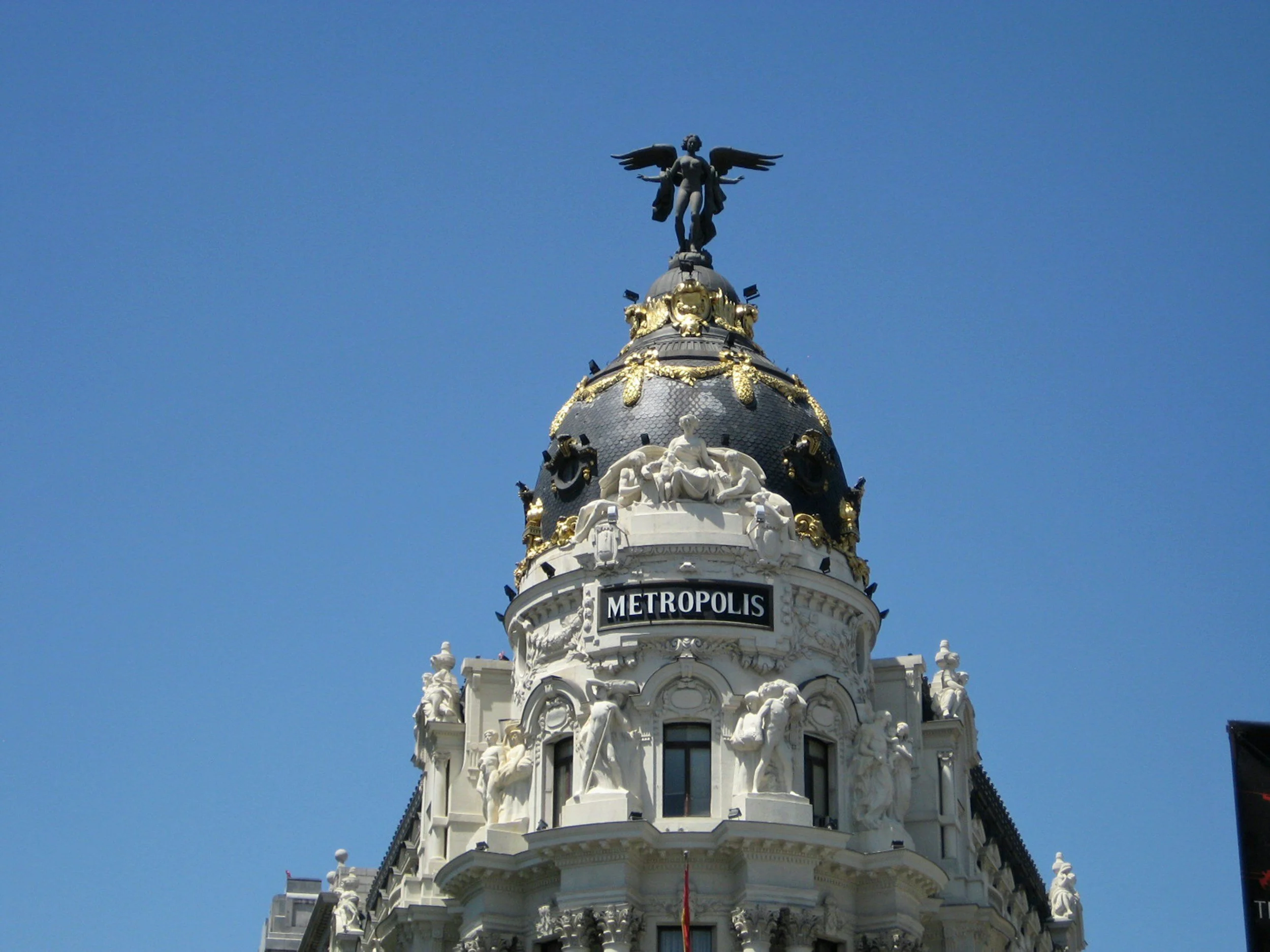
Madrid, 1989: A retired bus driver named Kempton Bunton stole Goya’s Portrait of the Duke of Wellington from London’s National Gallery, claiming he did it “for the people.” The painting later appeared in Dr. No, because even Bond couldn’t resist the irony.
Each of these stories leaves a residue—proof that art and mischief often share a border thinner than varnish.
How to Travel Like a Thief (Without Being One)
The allure of an art heist isn’t the loot—it’s the logistics. Precision, planning, impeccable taste. Apply the same philosophy to your travels.
Start in Paris, where the 2025 jewel heist has reignited the city’s reputation for intrigue. Explore the Louvre after dark, then unwind with champagne at the Ritz before crossing the Pont Neuf at midnight.
Next, trace the mystery to Boston, where the Gardner’s empty frames hum with unanswered questions. From there, fly to Amsterdam for color and chaos, detour to Naples for espresso-soaked redemption, and head north to Oslo, where art and ice share the same palette.
End in Florence, where every fresco feels like forgiveness and every alleyway hides a secret worth chasing.
At each stop, book experiences that peel back the curtain—private tours, conservator sessions, local artisan visits. These are the modern traveler’s equivalents of skeleton keys.
Travel, after all, is a kind of sanctioned theft: you steal moments, flavors, and stories, carrying them home like contraband memories.
The Getaway Plan
When masterpieces go missing, investigators look for motive, opportunity, and means. The same ingredients make unforgettable journeys.
At Besté Travel Design, we curate escapes that combine culture, curiosity, and a dash of mischief—from after-hours museum tours to private art workshops and cinematic city stays. Each itinerary is built to make you feel like you’ve slipped behind the velvet rope, no disguises required.
Because the only kind of theft worth committing is the one that steals your breath.
