

Cape Verde Didn't Win the World Cup. It Won Everyone Watching It.
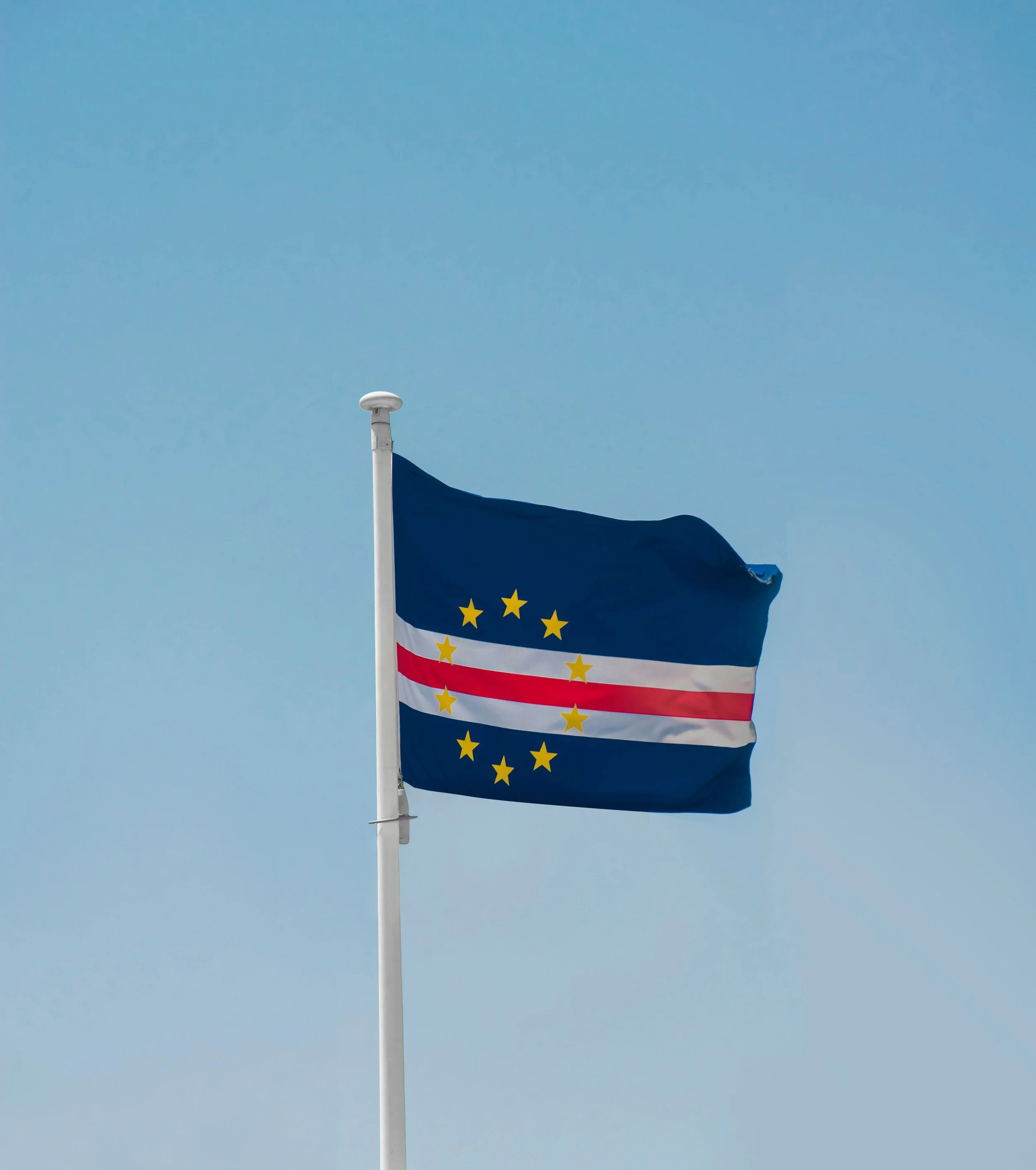
There is a very specific kind of story the internet cannot resist, and it is this one: a nation of 500,000 people, ten islands, no land mass to speak of, shows up to its first ever World Cup and draws Spain. Then draws Uruguay. Then draws Saudi Arabia. Then becomes the smallest country in the tournament's 96-year history to reach the knockout stage, where it pushes reigning champion Argentina into extra time before finally losing.
You could not write a better marketing campaign for a country if you tried. Cape Verde didn't try. It just happened, in real time, in front of a global audience, and now everyone wants to go.
Skyscanner reported search interest from Germany up 177% for summer travel to the islands. TUI said inquiries roughly doubled. Expedia saw an 800%+ spike in U.S. searches. This isn't a fluke or a press release cycle. It's what happens when a 40-year-old goalkeeper named Vozinha makes save after save against Spain and his Instagram following goes from 50,000 to over 9 million in a matter of days.
So before Cape Verde becomes another destination people screenshot and forget by August, let's talk about what's actually there, why it's worth building a real trip around, and why this is exactly the kind of destination where you want someone who's already done the homework.
A Short History
Cape Verde was uninhabited until the Portuguese arrived in the 1460s and turned it into a strategic hub in the Atlantic slave trade, which is the uncomfortable but necessary starting point for understanding everything else about the islands. The population that exists today, and the Kriolu language and Creole culture that define it, came out of that specific and painful blending of Portuguese colonizers and enslaved West Africans. Cidade Velha, on the island of Santiago, was the first permanent European settlement in the tropics and is now a UNESCO World Heritage site. You can walk it in an afternoon and feel the entire weight of that history under your feet.
Independence came in 1975, won jointly with Guinea-Bissau through a liberation movement led in large part by Amílcar Cabral, one of the most significant anti-colonial thinkers Africa produced. After independence, then-Secretary of State Henry Kissinger reportedly dismissed Cape Verde as an "unviable" state. Fifty years later, it's one of Africa's more stable democracies, with peaceful transfers of power between its two main parties and one of the continent's higher per-capita incomes. Kissinger was wrong about a lot of things. This was one of them.
The People
Nine of the ten islands are inhabited, and roughly 1.5 million Cape Verdeans and their descendants live abroad, which is triple the population of the country itself. There are large diaspora communities in Lisbon, Rotterdam, and, oddly specifically, Massachusetts. That diaspora is a huge part of why the World Cup run felt the way it did. Stadiums full of Cape Verdean flags, three time zones' worth of family group chats losing their minds at the same time.
Culturally, the islands are best known internationally for morna, the melancholic musical genre made famous by Cesária Évora, the "Barefoot Diva," who performed without shoes as a nod to the poverty she came from. If you want to understand the emotional register of Cape Verde before you go, start with her music. It will tell you more than any guidebook, and it will absolutely be playing somewhere near you the moment you land.
The Food
Cachupa is the national dish and you will eat it more than once, whether you plan to or not. It's a slow-cooked stew of hominy corn, beans, and whatever protein is on hand, usually pork, chorizo, or fish, and it exists in a breakfast version, refried with a fried egg on top, and a dinner version served fresh. It is not fussy food. It was built to feed a family through drought, and that history is exactly why it tastes the way it does.
For the real version, go to Chez Loutcha in Mindelo, run for more than thirty years by Loutcha Fortes, a genuine culinary matriarch whose cachupa rica, loaded with pork, sausage, and beans, is considered by more than a few people the best in the country. It is a no-frills, family-run institution, which is exactly the point.
For seafood, Barracuda, right on Santa Maria beach in Sal, does fresh lobster and grilled fish with your feet more or less in the sand, and it is the kind of place you plan a whole evening around rather than just a meal. And for the full sensory experience, book dinner at Quintal da Música in Praia, founded by a Cape Verdean musician specifically to pair traditional food (grilled fish, octopus, cachupa) with live morna and funaná most nights of the week. It is dinner and a cultural education in the same seating.
Beyond that, expect strong Portuguese influence in the bread and pastries (pastel de nata shows up everywhere, and it should), and grogue, a sugarcane spirit distilled locally that appears at every celebration whether you asked for it or not.
Where to Go, and Where to Stay
The islands split into distinct personalities, and this is the part most people booking a Cape Verde trip right now are going to get wrong, because the instinct after watching the World Cup is to book "Cape Verde" as if it's one place. It isn't.
Sal is the resort island, and the one most first-time visitors will land on. Hotel Morabeza, a long-standing, low-rise boutique property in Santa Maria, is the island's most beloved address and has been for decades, long before the international chains arrived. For something larger and full-service, Meliá Tortuga Beach Resort & Spa sits on a full kilometer of Tortuga Beach with a spa built around local volcanic and marine ingredients, and it's a genuinely good option for a group or family that wants resort infrastructure without losing all sense of place.
Boa Vista is the wilder, dunier sibling, known for windsurfing, kitesurfing, and one of the Atlantic's longest uninterrupted white sand beaches. For something further off the resort track, Spinguera Ecolodge is a remote, off-grid property on the island's western coast, built into what was once an abandoned fishing village. It is not for someone who wants a swim-up bar. It is for someone who wants to remember the trip.
Santiago, home to the capital Praia, is where the history and the politics of the country actually live. Oasis Atlantico Praiamar, on a small clifftop peninsula overlooking the bay, is the best-positioned hotel in the capital, an easy walk from both the old town and Cidade Velha.
São Vicente, and its city Mindelo, is the cultural and musical heart of the archipelago, and no trip that skips it is really a Cape Verde trip. Ouril Mindelo is the island's best full-service option, close to the harbor and an easy base for exploring the colorful colonial streets and the live music venues Mindelo is known for.
Santo Antão is for hikers. Dramatic volcanic ridgelines, green terraced valleys, and almost no crowds. Palmeira Da Cruz EcoLodge sits between the northern hills and the Atlantic and is the kind of understated, design-forward property that makes a few days of hard hiking feel like a genuine reward rather than a hardship.
Air connectivity has historically run through Europe, with limited direct U.S. options, though that is exactly the kind of thing that tends to change fast once a country becomes a headline. Which is precisely the point.
Why This Is a Curated Trip, Not a Booked One
Here's the thing about a destination in the middle of a moment: everyone wants it right now, and almost no one booking it right now has actually been there.
Cape Verde is not a plug-and-play, five-star-chain destination the way, say, the Maldives or Dubai are. There is no Four Seasons here yet, no Aman, no obvious global brand shortcut. What exists instead is a small, distinct set of genuinely excellent properties, most of them independently owned, each with a real personality, scattered across islands that do not behave like each other. Sal is not Boa Vista. Boa Vista is not São Vicente. Booking the wrong island, or the wrong pairing of islands, is the single most common and most avoidable mistake in a Cape Verde itinerary, and it is exactly the kind of mistake that looks fine on a map and terrible in person.
There's also the entry-requirement reality, which got a very public airing during the tournament when Vozinha's own mother was initially unable to secure a U.S. visa to watch her son play in person, an issue serious enough to require a direct intervention from a member of Congress. That's not a Cape Verde-specific problem. It's a reminder that entry requirements for less-traveled destinations are rarely as simple as they look on an airline's website, and finding that out after tickets are booked is the worst possible time to learn it.
This is precisely what we do. Besté doesn't book Cape Verde off a template, because there isn't one yet. We build the itinerary around which islands actually deserve your time, vet the properties against what we know our clients actually want, sequence the flights so an island-hopping trip doesn't eat two full days in transit, and handle the entry logistics before they become a problem at the airport. We curate. We don't book off a shelf, because on a destination like this one, there isn't a shelf to book off of.
And with global attention on the islands right now, availability at the properties actually worth staying at is going to tighten fast. The good news is that Cape Verde is still early enough in its tourism arc that a well-timed, well-planned trip this year or next puts you ahead of the version of this destination that exists in five years, once everyone else has caught up.
What to Combine It With
Cape Verde sits far enough off the map that almost no one flies there and only there, and its flight geography actually makes multi-country trips easier than you'd expect, not harder.
Portugal is the obvious and easiest pairing. TAP Air Portugal flies direct between Lisbon and several Cape Verdean islands in about four hours, and the historical throughline is real, not manufactured. Portuguese colonization shaped Cape Verde's language, architecture, and food, so bookending a trip with a few days in Lisbon (or further north in Porto, also a direct connection) gives the story a beginning before you land at the ending. This is the pairing we'd point most first-time clients toward, purely on ease.
Morocco is the more dramatic combination. Royal Air Maroc flies direct between Casablanca and Sal, and pairing Cape Verde with Marrakech or the Atlas Mountains gives a client two entirely different registers of North and West African travel in a single trip: Morocco's souks, riads, and desert against Cape Verde's beaches, morna, and Creole coastal towns. It's a trip for someone who wants contrast, not comfort.
Senegal is the shortest hop, just over an hour direct from Dakar, and thematically it's the trip's closest relative. Gorée Island, off the coast of Dakar, is a UNESCO World Heritage site built around the same Atlantic slave trade history that shaped Cidade Velha on Santiago. Pairing the two lets a client see both sides of that history in one itinerary, which is a heavier trip emotionally but an important one, and one we'd sequence and pace carefully rather than rush.
The Canary Islands are the closest geographically, a roughly two-and-a-half-hour flight via Binter Canarias, and they're also the pairing most suited to Besté's small-ship strength. Expedition and small-ship itineraries already exist that link Dakar, Cape Verde, and the Canaries en route to Lisbon, stringing together volcanic archipelagos across the Atlantic in a single sailing. For a client who wants Cape Verde without the logistics of building a multi-city land itinerary themselves, a small-ship crossing is arguably the cleanest way to see it alongside its closest island neighbors.
None of these are the kind of pairing you'd land on searching flights yourself, since none of them show up as an obvious "add-on" the way, say, Amsterdam does before a European river cruise. That's the value of building the itinerary with someone who already knows the route map.
Does Cape Verde Actually Want More Tourists?
This is worth asking honestly, because the answer isn't a simple yes.
Tourism already accounts for roughly a quarter of Cape Verde's GDP and around 10% of formal employment. It isn't a side industry. It's the industry. The country welcomed an estimated 1.25 million tourists in 2025, generating hundreds of millions in revenue, and the government has been investing accordingly, including airport upgrades and a tourism master plan running through 2026.
But the official posture is managed growth, not a free-for-all. Cape Verde's own sustainable development planning flags real concerns: coastal land speculation, pressure on fragile island ecosystems, and a stated goal of diversifying away from resort-heavy tourism on Sal and Boa Vista toward ecotourism and cultural travel that spreads both the benefit and the impact more evenly across the islands. Climate change adds urgency to that math. Rising seas and warming oceans threaten the same coastlines the resorts sit on, and the World Bank has estimated tourism revenue there could take a real hit by mid-century if nothing changes.
So the honest answer is: yes, they want the tourists, but intentionally, spread across islands that haven't historically seen much traffic, and ideally arriving with someone who understands the difference between a beach week and a country. Which, again, is the point of working with an advisor rather than a search engine.
Cape Verde spent decades being described by its geography. This summer, it got to be described by its grit instead. The window to see it before that novelty becomes a fully built-out tourism machine is open right now. We'd love to help you walk through it.
